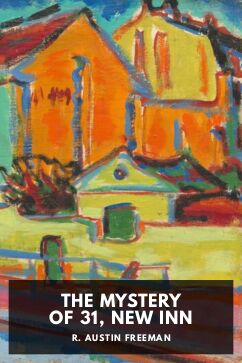
The Mystery of 31, New Inn - R. Austin Freeman
If you're tired of detectives who just have a 'hunch,' meet Dr. John Thorndyke. He's a lawyer and a doctor who treats crime scenes like a science lab. This book turns the usual mystery formula on its head, and it's incredibly clever.
The Story
A man staggers into Dr. Thorndyke's office late one night. He's in a daze, suffering from what looks like a drug overdose. He remembers getting into a cab and going to a house with green shutters, but that's it. He doesn't even know his own name. Thorndyke helps him and sends him home. The next day, that same man is found dead in his locked bedroom, poisoned. The police call it suicide, but Thorndyke smells murder. The problem is, he has no crime scene, no witnesses, and no obvious motive. All he has are the few facts from that confused midnight interview and his own razor-sharp mind. The rest of the book is a masterclass in deduction, as Thorndyke uses chemistry, observation, and pure logic to rebuild the crime from almost nothing.
Why You Should Read It
This isn't a whodunit in the usual sense. You often know 'who' pretty early. The joy is in the 'how' and the 'why.' Freeman invented the 'inverted detective story,' where you see the crime being planned, and then watch the detective unravel it. Here, he gives us the ultimate version: a detective who must solve a crime he didn't witness. It makes you an active participant. You get every clue Thorndyke gets, and you can try to reason alongside him. Thorndyke himself is a refreshing hero—calm, methodical, and always two steps ahead because of his knowledge, not luck. The book is also a wonderful snapshot of Edwardian London, from its foggy streets to its legal quirks.
Final Verdict
Perfect for puzzle lovers and fans of detectives like Sherlock Holmes who appreciate method over mayhem. If you enjoy stories where the 'aha!' moment comes from connecting scientific evidence rather than a dramatic confession, you'll love this. It's a thinking person's mystery that proves the most exciting action can sometimes happen entirely inside a detective's head. Just be prepared to pay close attention—Freeman plays fair with his clues, but he doesn't repeat them!
You are viewing a work that belongs to the global public domain. You are welcome to share this with anyone.