
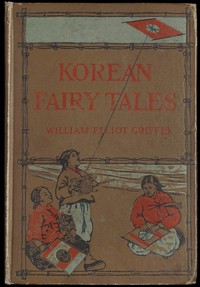
Korean Fairy Tales by William Elliot Griffis
So, what's actually in this book? Korean Fairy Tales isn't one continuous story, but a collection of traditional folktales gathered and translated by William Elliot Griffis in the early 1900s. Think of it as a tour through the imagination of old Korea.
The Story
There's no single plot, but a wonderful parade of characters and adventures. You'll follow the journey of a filial son who braves a magical mountain to find a healing plant for his mother. You'll see a humble woodcutter rewarded for his honesty by the Mountain Spirit, while a greedy neighbor gets his comeuppance. Animals talk, magical gourds grant wishes, and tigers—who are everywhere in these stories—are often outsmarted by much smaller, smarter creatures. The stories explain why dogs and cats fight, how certain islands were formed, and what happens when humans disrespect the spirits of the natural world.
Why You Should Read It
I loved this book because it surprised me. These aren't sanitized princess stories. They're earthy, sometimes funny, and often carry a sharp moral lesson without being preachy. The heroes are usually ordinary people—farmers, sons, daughters—who succeed through loyalty, cleverness, and hard work, not just a magic sword. The reverence for family, ancestors, and nature is palpable on every page. Reading it, you get a real sense of the values and fears of the people who first told these tales. It's like a cultural conversation across time.
Final Verdict
This book is perfect for curious readers who love myths and folktales from around the world, and for anyone tired of the same old European fairy tale retellings. It's also a great pick for parents looking for unique bedtime stories (though maybe preview a few—some have classic, slightly dark fairy tale consequences!). If you enjoy the feeling of discovering a whole new world of storytelling, you'll find Korean Fairy Tales to be a completely charming and eye-opening read.
This digital edition is based on a public domain text. You do not need permission to reproduce this work.
Patricia White
2 years agoGreat read!





Joseph Williams
1 year agoMy professor recommended this, and I see why.